India’s technology ecosystem is entering 2026 at a critical inflection point. Much like the 4G revolution a decade ago, this year represents a structural reset—where artificial intelligence agents, semiconductor supply chain challenges, and premiumisation in consumer electronics converge to reshape the country’s digital future.
Let’s Dive Deep…
For businesses, policymakers, and consumers, these shifts are not abstract—they directly influence how India innovates, competes globally, and delivers value to its people. Let’s explore the top trends in 2026 that will define India’s tech adoption and why they matter.

1. Rise of Autonomous AI Agents
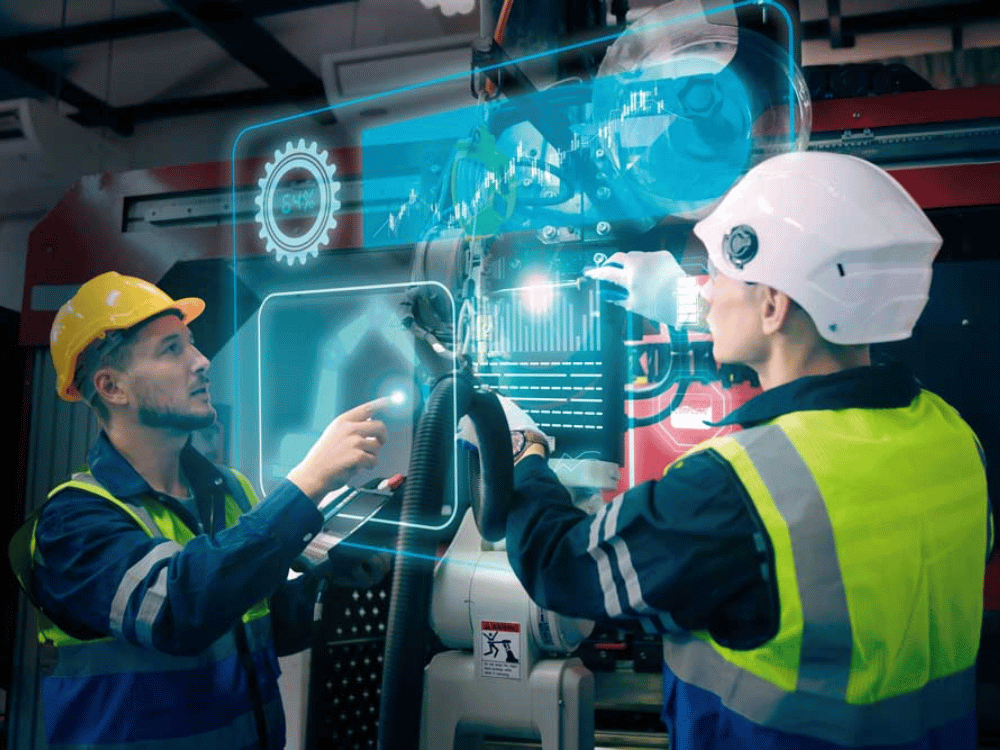
- What’s happening: AI is no longer confined to chatbots or predictive analytics. In 2026, autonomous AI agents—capable of decision-making, negotiation, and task execution—are entering mainstream enterprise workflows.
- Impact on India:
- Indian IT services firms are embedding AI agents into customer support, supply chain management, and financial services.
- Startups are building agentic platforms for healthcare diagnostics, legal research, and education.
- Why it matters: India’s strength in software services positions it as a global hub for AI agent deployment, potentially rivaling Silicon Valley in scale.
2. Semiconductor Supply Chain Challenges
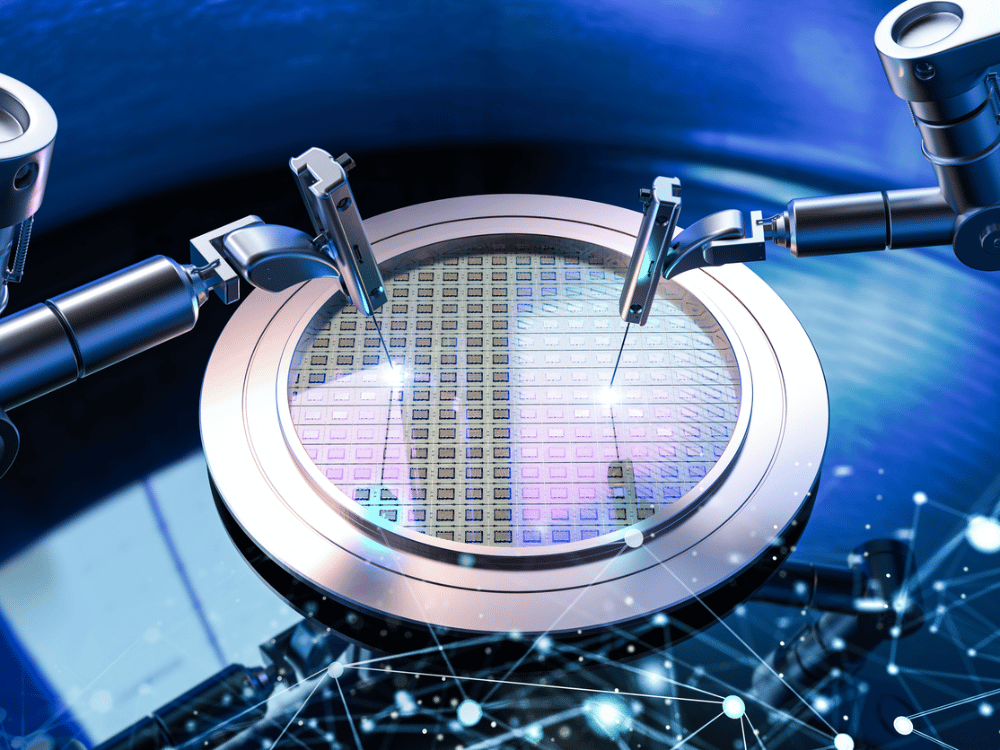
- What’s happening: Global semiconductor supply remains tight, with demand for AI chips, memory-intensive processors, and custom silicon surging.
- Impact on India:
- India’s semiconductor demand is projected to reach 28% of global share by end-2026, nearly matching global averages.
- Government-backed initiatives like the India Semiconductor Mission are accelerating domestic chip production.
- Why it matters: Chips are the backbone of AI, smartphones, and consumer electronics. India’s ability to secure supply chains will determine its digital sovereignty.
3. Premiumisation in Consumer Electronics
- What’s happening: Indian consumers are moving away from entry-level devices toward premium smartphones, laptops, and wearables.
- Impact on India:
- Brands like Apple, Samsung, and OnePlus are expanding their premium product lines in India.
- Domestic players (e.g., Lava, Micromax) are experimenting with mid-premium categories to capture aspirational buyers.
- Why it matters: Premiumisation signals India’s rising middle class and its willingness to pay for quality, performance, and design.
4. AI-Driven Economy
- What’s happening: AI is not just a tool—it’s becoming the engine of economic growth.
- Impact on India:
- AI-led contracts in IT services are reshaping outsourcing models.
- Manufacturing and logistics are adopting AI-powered predictive maintenance and smart routing.
- Why it matters: India’s GDP growth is increasingly tied to AI adoption, making it a strategic priority for both government and industry.
5. Hardware Innovation: From HBM Memory to Foldables
- What’s happening: Hardware breakthroughs—from HBM (High Bandwidth Memory) to foldable devices—are redefining consumer and enterprise tech.
- Impact on India:
- Indian consumers are early adopters of foldable smartphones and AR/VR headsets.
- Enterprises are investing in HBM-driven servers to handle AI workloads.
- Why it matters: Hardware innovation ensures India doesn’t just consume tech—it builds and scales it.
6. Global-Local Synergy
- What’s happening: India’s tech adoption is increasingly shaped by global megatrends—from spatial computing to solid-state batteries.
- Impact on India:
- Partnerships with TSMC, Intel, and Nvidia are bringing advanced chip technologies to India.
- Indian startups are integrating global innovations into local contexts—education, agriculture, and healthcare.
- Why it matters: India’s ability to localize global tech is its competitive edge.
7. Policy & Regulation: Guardrails for Growth
- What’s happening: As AI and advanced hardware proliferate, policy frameworks are evolving.
- Impact on India:
- The government is drafting AI ethics guidelines and data protection laws.
- Semiconductor subsidies and PLI (Production Linked Incentive) schemes are attracting foreign investment.
- Why it matters: Regulation ensures India’s tech adoption is inclusive, ethical, and sustainable.
Opportunities for Businesses
- Tech firms: Invest in AI agent platforms and semiconductor R&D.
- Consumer brands: Focus on premiumisation strategies—design, durability, and aspirational marketing.
- Startups: Build solutions that localize global innovations for Indian needs.
- Investors: Bet on AI-driven enterprises and semiconductor ventures.
Risks & Challenges
- Supply chain volatility: Semiconductor shortages could stall growth.
- Digital divide: Premiumisation risks excluding lower-income consumers.
- Regulatory uncertainty: Rapid policy changes may affect business models.
2026 is not just another year—it’s a reset moment for India’s tech ecosystem. With autonomous AI agents, semiconductor breakthroughs, and premium consumer electronics, India is poised to leap into a future where technology is not just adopted but owned, scaled, and exported.
For Drita’s audience, these trends highlight the intersection of innovation and opportunity. India’s leap into autonomous AI and advanced hardware is more than a headline—it’s the story of a nation redefining its digital destiny.