The year 2026 marks a turning point in global infrastructure development based on all the megaprojects under construction. Across continents, megaprojects worth trillions of dollars are reshaping cities, economies, and societies. From Saudi Arabia’s $9 trillion NEOM city to California’s high-speed rail, these ventures symbolize ambition on a scale rarely seen before.
India, too, is part of this narrative. With projects like the Mumbai–Ahmedabad High-Speed Rail, BharatMala highways, and the Central Vista redevelopment, India is positioning itself alongside global leaders in infrastructure. For Drita’s audience, these stories highlight how global megaprojects and India’s infrastructure surge intersect, showcasing ambition, resilience, and innovation.
1. Saudi Arabia’s NEOM: A $9 Trillion Futuristic City

- Overview: NEOM is Saudi Arabia’s flagship gigaproject, featuring The Line (a linear smart city), Oxagon (a floating industrial port), and luxury coastal resorts.
- Impact: Designed to be carbon-neutral, NEOM represents the future of urban living.
- Global relevance: Sets a benchmark for smart cities and sustainable infrastructure.
2. California’s High-Speed Rail
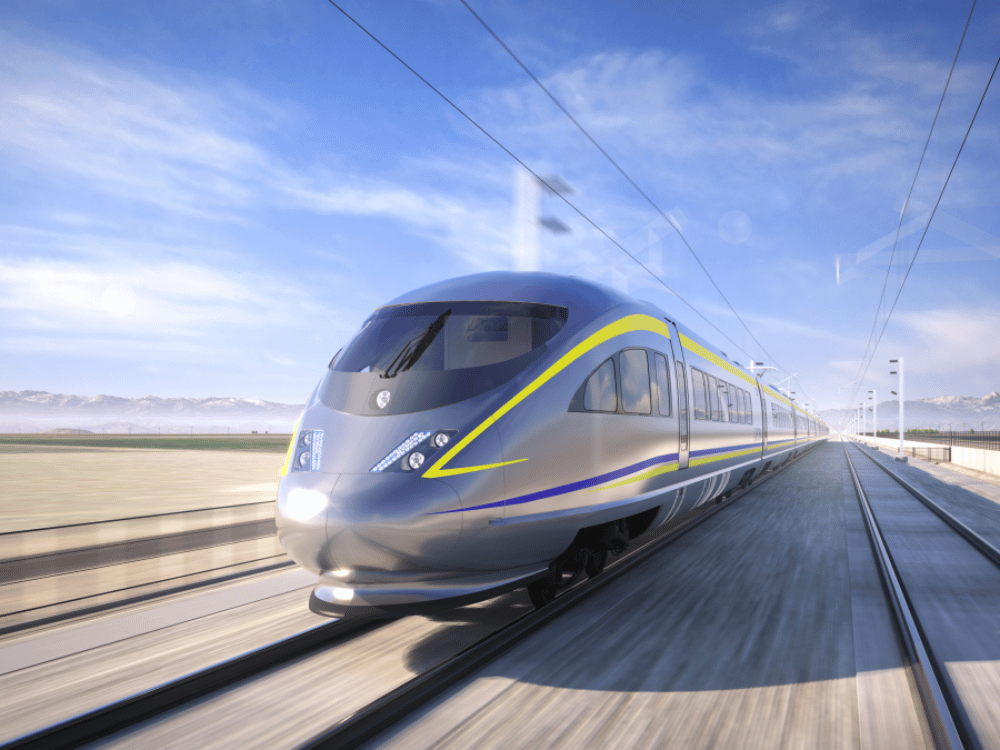
- Overview: America’s largest infrastructure project, connecting San Francisco to Los Angeles with trains running at 220 mph.
- Impact: Reduces travel time to under 3 hours, cutting carbon emissions significantly.
- Global relevance: Demonstrates how developed economies are rethinking transport systems.
3. The U.K.’s Lower Thames Crossing
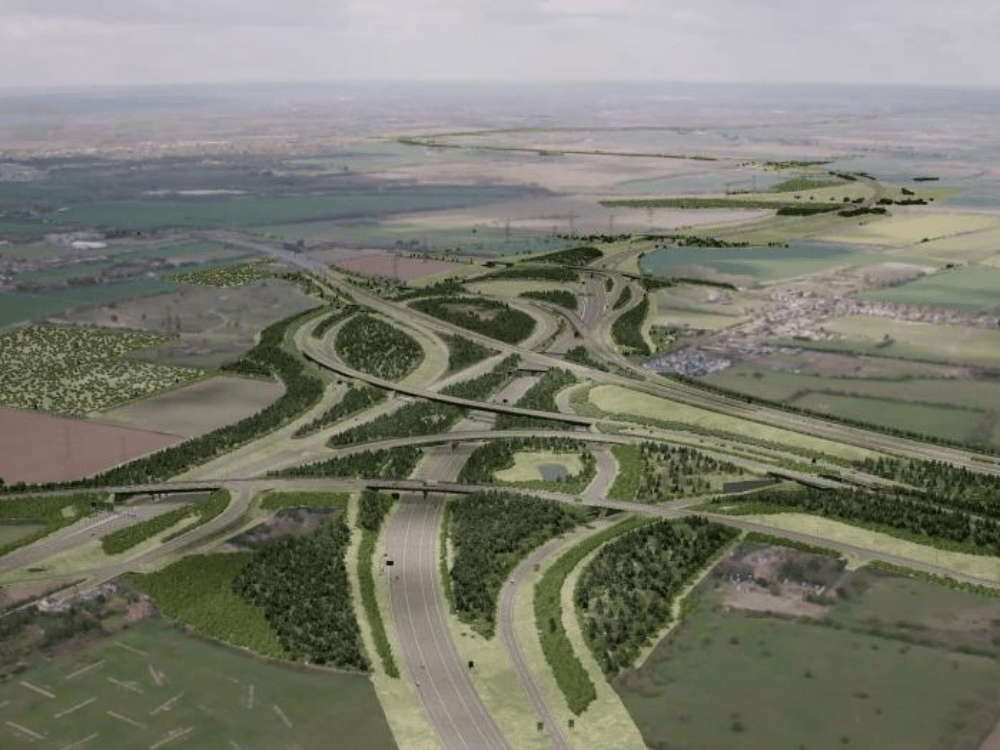
- Overview: Largest road tunnel in the U.K. linking Tilbury (Essex) to Gravesend (Kent), via a tunnel underneath the Thames.
- Impact: Eases Dartford Crossing congestion, boosts freight and connectivity in Southeast England.
- Global relevance: Economies are investing in transport megaprojects to modernize infrastructure and support long-term growth.
4. India’s Megaprojects: Ambition at Scale
India’s infrastructure boom between 2026–2028 is redefining connectivity and national identity. Landmark ventures include the Mumbai–Ahmedabad Bullet Train, cutting travel time from 7 to 2 hours; the BharatMala highway program, spanning 34,800 km to boost trade and logistics; the Central Vista redevelopment, modernizing India’s administrative core; and the NICDC industrial corridors, strengthening manufacturing and supply chains. Together, these projects showcase India’s ambition to match global megaprojects in scale and impact.
👉 Read the full blog on India’s engineering wonders here.
5. Comparing Global and Indian Megaprojects
| Region | Project | Cost/Scale | Focus Area | Global Relevance |
| Saudi Arabia | NEOM ($9T) | Smart city, carbon-neutral | Urban future | Sets benchmark for futuristic cities |
| USA | California High-Speed Rail | $100B+ | Transport | Reinvents mobility in developed economies |
| UK | Tideway Tunnel ($5B) | Urban resilience | Sustainability | Modernizes essential infrastructure |
India | Multiple megaprojects: Bullet Train, Expressways, Metros, Airports, Bridges | $100B+ combined | Transport, connectivity, urban infrastructure | Redefines national mobility, boosts trade, positions India alongside global infrastructure leaders |
6. Opportunities for India
- Global positioning: India’s megaprojects align with global infrastructure ambitions.
- Economic growth: Infrastructure drives GDP growth and private investment.
- Sustainability: Projects like BharatMala and NICDC integrate green practices.
7. Risks & Challenges
- Funding gaps: Megaprojects require sustained capital.
- Execution delays: Land acquisition and regulatory hurdles.
- Global volatility: Supply chain disruptions may affect timelines.
Megaprojects are the defining feature of 2026’s global infrastructure landscape. From Saudi Arabia’s NEOM to California’s high-speed rail, these ventures showcase ambition at scale. India’s own projects—the bullet train, BharatMala highways, Central Vista, and industrial corridors—demonstrate its determination to stand shoulder-to-shoulder with global leaders.